Gender and Privacy: Understanding Czech Restroom Customs and Modern Evolution
Explore gender dynamics, privacy traditions, and contemporary social evolution in Czech Republic's public restroom culture and facility design.
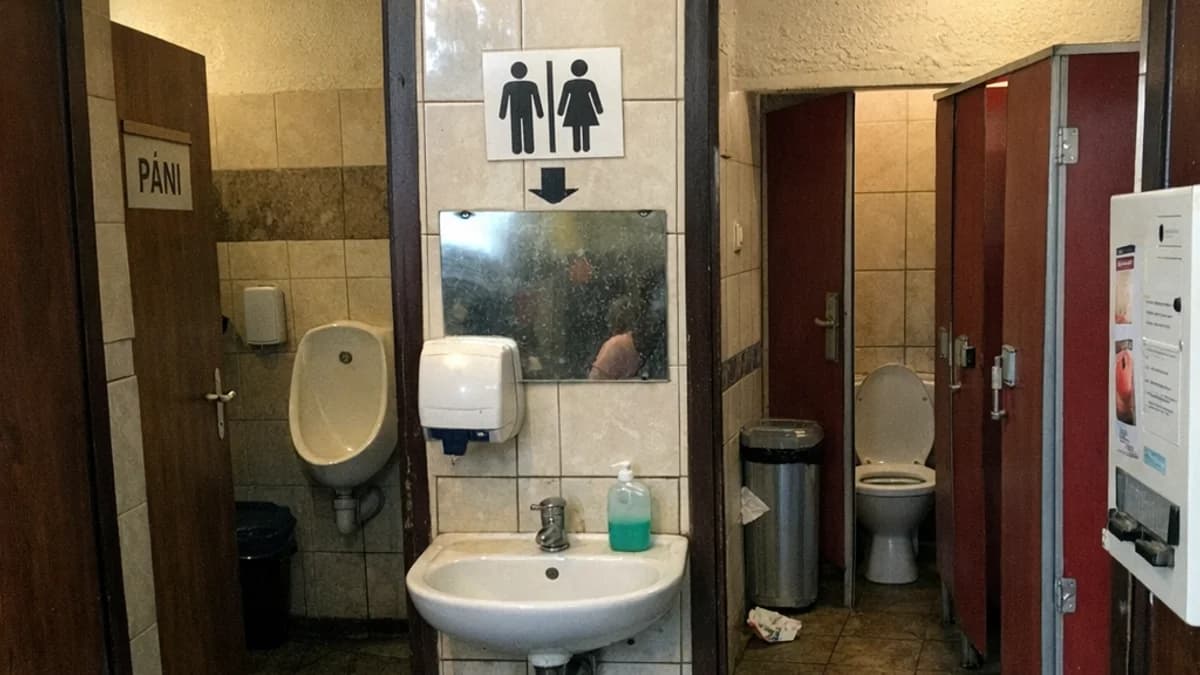
Public restroom facilities represent intimate spaces where considerations of gender, privacy, and identity become particularly important.
Czech Republic, like many Central European societies, maintains particular traditions around gender-based facility separation reflecting historical patterns and cultural attitudes toward bodily privacy.
However, contemporary social evolution increasingly questions rigid binary gender assumptions, leading to modernized facility design incorporating greater inclusivity.
Understanding both traditional Czech approaches and evolving contemporary practices provides important context for using and navigating restroom spaces respectfully.
Traditional Gender Separation and Cultural Rationale
Traditional Czech culture maintains distinct gender-based facility separation, with clear demarcation between "Muži" (Men) and "Ženy" (Women) facilities. This separation reflects historical patterns persisting across most of Europe, based on assumptions about modesty, privacy preferences, and safety considerations.
The Czech cultural emphasis on privacy and formal social structures contributed to particular attention to gender separation in restroom design.
Unlike some cultures with more relaxed approaches to nudity and bodily functions, Czech culture maintains relatively formal attitudes toward intimate bodily functions, making gender separation reflect deeper values around privacy and modesty.
Contemporary Czech society continues predominantly supporting traditional gender-separated facilities, reflecting both practical considerations and cultural comfort with established patterns. Most facilities throughout Czech Republic maintain separate men's and women's facilities as standard practice.
Design Principles Reflecting Gender Assumptions
Traditional facility design reflects assumptions about gender-specific needs. Women's facilities historically included more private stall design providing greater visual privacy compared to men's urinals offering minimal visual privacy.
This design differential reflected cultural beliefs about privacy preferences and social expectations varying by gender.
Historical facility design sometimes incorporated architectural features reflecting gender-specific assumptions—women's facilities potentially including more comfortable seating or amenities compared to men's more utilitarian design.
Contemporary design increasingly questions these assumptions, prioritizing universal comfort rather than gendered distinctions.
Czech female travelers sometimes report that women's facilities appear to receive greater design attention than men's in some establishments, though this pattern varies significantly across locations.
The differential attention partially reflects cultural assumptions about women's greater facility expectations and preferences.
Contemporary LGBTQ+ Considerations and Inclusivity Evolution
Contemporary Czech society increasingly recognizes that binary gender-based facility separation creates challenges for individuals whose gender identity doesn't fit traditional male/female categories.
Trans individuals, non-binary individuals, and others with non-conforming gender identities sometimes face uncomfortable or unsafe situations in strictly segregated facilities.
Modern Czech facility design increasingly incorporates gender-neutral or single-occupancy restrooms providing private facilities not designated by gender.
These facilities accommodate individuals with diverse gender identities while simultaneously serving parents/caregivers and others potentially preferring private spaces.
Shopping centers and modern commercial establishments increasingly include gender-neutral facility options alongside traditional facilities, reflecting evolving social acceptance of gender diversity. This modernization represents genuine progress in facility inclusivity and recognition of diverse human experience.
Some contemporary Czech cultural institutions and organizations actively promote restroom inclusivity through signage indicating support for diverse gender identities and explicit statements welcoming all users. This represents emerging institutional recognition of LGBTQ+ rights and inclusion values.
Prague, as the most progressive Czech city with significant visible LGBTQ+ communities, increasingly features gender-inclusive facility options in newer establishments, cultural institutions, and progressive businesses. This trend extends more gradually to conservative regions and smaller towns.
Privacy Considerations Beyond Gender
Czech cultural emphasis on privacy extends beyond gender considerations to general privacy values. Stall design emphasizing visual privacy, for instance, reflects broader Czech preferences for privacy in intimate situations rather than specifically gendered assumptions.
Family restrooms and single-occupancy facilities provide complete privacy for all users regardless of gender, offering advantages beyond gender-inclusivity.
These spaces particularly benefit parents with children of opposite gender, individuals assisting mobility-impaired family members, and others potentially uncomfortable in gender-segregated spaces.
Traditional Attitudes and Social Conservative Values
While contemporary Czech society increasingly embraces progressive values, significant portions of population—particularly in conservative regions and among older generations—maintain traditional attitudes around gender separation.
These individuals may view gender-neutral facilities as unnecessary or uncomfortable, reflecting attachment to historical patterns.
Conservative Czech communities sometimes resist facility modernization incorporating gender-neutral options, viewing such changes as unwelcome progressive impositions. This resistance reflects broader political and social divisions characterizing contemporary Czech society around progressive versus conservative values.
Regional variations exist, with Prague and Brno featuring relatively rapid adoption of inclusive facility design, while smaller towns and conservative regions maintain traditional segregated approaches. These geographic variations reflect political and social differences within Czech Republic.
Safety and Accessibility Intersections
Gender-separated facilities historically reflected safety assumptions about segregating diverse populations into same-gender groups.
However, contemporary understanding recognizes that safety concerns for LGBTQ+ individuals, trans individuals, and others may actually be better served through gender-inclusive rather than gender-segregated facilities.
The intersection of gender identity and accessibility creates additional complexity. Individuals with mobility aids or assistance requirements sometimes need opposite-gender caregiver support, making family/accessible restrooms particularly valuable accommodations.
Workplace Facility Considerations
Czech workplace culture maintains traditional gender-separated facilities in most establishments, reflecting both historical precedent and practical management considerations. Workplace restrooms represent spaces where gender separation becomes particularly meaningful given daily facility sharing by coworkers.
Contemporary Czech workplaces increasingly recognize benefits of gender-neutral facilities for diverse workforce needs, though widespread workplace facility transformation remains limited outside most progressive companies.
Cultural Communication and Respect
Visitors to Czech Republic should approach facility gender dynamics with cultural awareness and respect. While progressive visitors may bring values from more gender-inclusive societies, demonstrating respect for Czech cultural norms and local facility design choices remains important.
Using facilities according to facility design (separated by gender where relevant, inclusive where provided) demonstrates respect for local preferences and practices even if differing from personal home country norms.
International Travelers and Facility Navigation
International LGBTQ+ travelers should know that most Czech facilities, while increasingly incorporating some inclusive options, maintain predominantly gender-segregated designs. Gender-neutral facilities exist but require sometimes-intentional searching beyond standard facility locations.
Shopping centers, modern cultural institutions, and progressive businesses most reliably feature gender-inclusive options. These establishments provide safe, comfortable facility experiences for travelers with diverse gender identities.
Activist Organizations and Rights Advocacy
Czech LGBTQ+ rights organizations increasingly advocate for inclusive facility design as social justice issue. Organizations including Prague Pride and transgender advocacy groups actively work toward greater facility inclusivity reflecting values of respect and inclusion.
Educational institutions increasingly incorporate LGBTQ+ inclusivity into facility planning and campus culture, reflecting emerging values among younger Czech generations.
Religious and Cultural Perspectives
Czech society's primarily secular character means religious objections to facility inclusivity carry less political weight than in more religiously-engaged societies. However, culturally conservative values based on tradition rather than religious belief sometimes generate resistance to facility modernization.
Historical Evolution and Future Trends
Czech facility design is gradually evolving toward greater inclusivity, reflecting broader social evolution and European influence. This evolution proceeds at variable pace across the country, faster in urban progressive areas and more slowly in conservative regions.
Younger Czech generations increasingly embrace values of inclusivity and LGBTQ+ rights, suggesting accelerating facility modernization in coming decades. Future Czech facility design likely will increasingly incorporate gender-neutral options reflecting demographic value shifts.
Practical Navigation for All Travelers
Regardless of gender identity, visitors can navigate Czech facilities respectfully by using facilities according to local design—using gender-marked facilities if appropriate to your identity, seeking inclusive facilities if more comfortable, and approaching facility use with cultural awareness and respect for local norms.
If faced with uncomfortable facility situations, seeking staff assistance or using alternative facilities often resolves issues respectfully and discreetly.
Pulling it together: Understanding Czech Restroom Customs and Modern Evolution
Czech Republic's restroom facility design reflects both historical traditions emphasizing gender separation and increasingly contemporary values incorporating greater inclusivity.
While traditional gender-separated facilities remain predominant throughout most of Czech society, modernized spaces increasingly offer gender-neutral options reflecting evolving social values and LGBTQ+ rights advocacy.
Understanding these dynamics—respecting traditional Czech culture while recognizing emerging inclusivity values—enables respectful facility navigation for all travelers.
The Czech trajectory toward greater facility inclusivity mirrors broader European and international trends, suggesting continued modernization advancing accessibility and respectful accommodation of all users regardless of gender identity.
See also our interactive toilet map for nearby facilities.