Traveling with IBS: Finding Accessible Toilets and Managing Symptoms in Czech Republic
Comprehensive guide for IBS sufferers traveling in Czech Republic, including facility locations, dietary considerations, and practical strategies for managing symptoms while exploring.
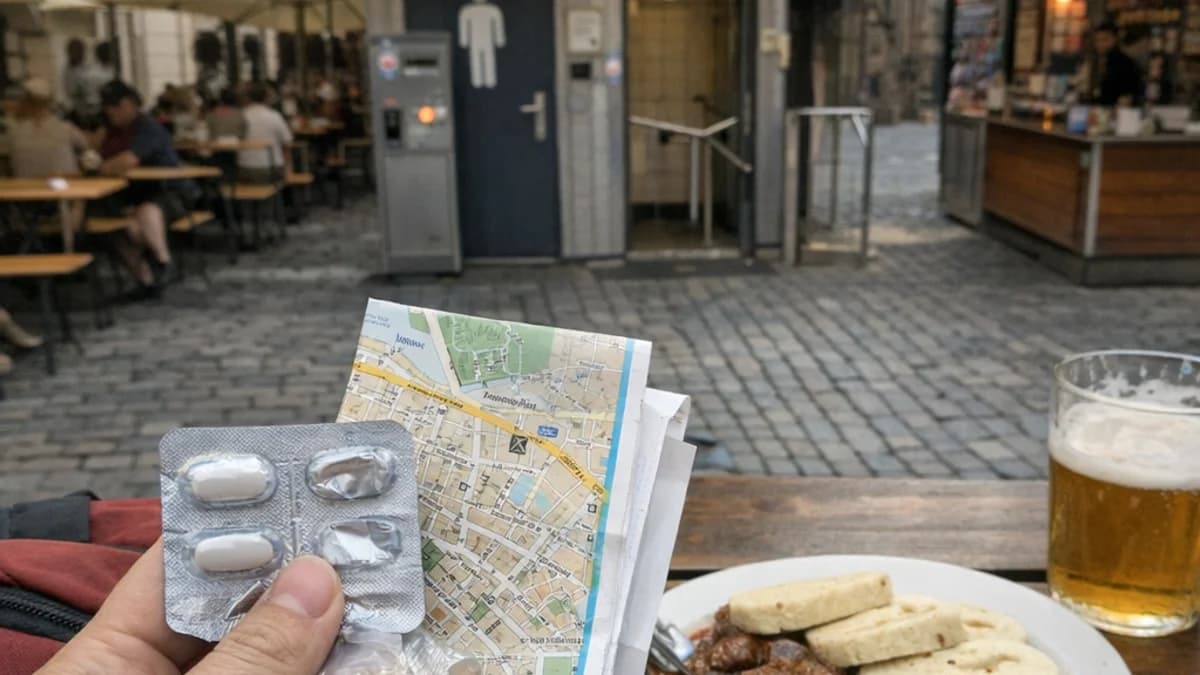
Inflammatory Bowel Syndrome (IBS) affects millions of people worldwide, and traveling while managing IBS symptoms presents unique challenges requiring strategic planning.
The Czech Republic, with its well-developed public restroom infrastructure and relatively small geographic size, is actually a favorable destination for travelers with IBS.
Understanding facility access, dietary options, and practical coping strategies will enable you to explore the country comfortably while managing your condition effectively.
Understanding IBS and Travel Considerations
IBS is a chronic functional gastrointestinal disorder characterized by variable symptoms including abdominal pain, bloating, diarrhea, and/or constipation.
Unlike inflammatory bowel disease (IBD) such as Crohn's disease or ulcerative colitis, IBS is functional rather than inflammatory, though symptoms can be equally disruptive to daily activities.
Travel often exacerbates IBS symptoms due to dietary changes, schedule disruptions, dehydration, and stress.
The Czech Republic's accessible public restroom network, as outlined in previous guides, makes it significantly easier for IBS sufferers compared to destinations with limited facilities.
The cultural acceptance of frequent restroom use, without judgment or social stigma, also reduces stress associated with symptom management.
Planning Your Route Around Facilities
Before traveling to any Czech city, research restroom locations along your planned route. Czech tourism websites and Google Maps provide facility location information. For IBS sufferers, knowing facility locations reduces anxiety and enables spontaneous exploration without constant worry about access.
Major cities—Prague, Brno, Ostrava, Plzeň—offer abundant restroom access throughout tourist areas and business districts.
Smaller towns generally have fewer facilities, but public restrooms still exist near central squares, train stations, and main shopping areas. Rural areas require more advance planning but remain navigable.
Download offline maps before traveling, as WiFi connectivity in some rural areas remains limited. Offline maps allow facility searching without cellular connection, providing peace of mind during exploration.
Maximizing Restroom Availability
Shopping centers represent the best options for IBS travelers seeking multiple restroom visits without repeated payments.
Free access, modern facilities, and multiple stalls mean you can use facilities as needed without the social friction of paying repeatedly for municipal restrooms.
Palladium, Quadrio, and Westfield in Prague provide unlimited access without purchase requirement, though purchasing something is courteous.
Museums and cultural institutions offer private facility access included in admission, beneficial for IBS sufferers seeking to minimize bathroom-related stress while exploring cultural attractions. The privacy and cleanliness of museum restrooms exceed typical municipal facilities.
Hotels and accommodations provide unlimited restroom access. Spending extended time at your accommodation during high-symptom periods is perfectly acceptable and part of responsible travel planning with IBS.
Prague's extensive accommodation options ranging from budget hostels to luxury hotels ensure availability across all price points.
Dietary Management While Traveling
Czech cuisine, while delicious, can trigger IBS symptoms in susceptible individuals. Traditional Czech dishes like goulash, rich meat stews, and fried foods contain high fat and fiber content that may exacerbate symptoms.
Understanding Czech food culture and making strategic dietary choices significantly impacts your comfort during travel.
Restaurant meals can be modified by requesting preparation adjustments. Czechs generally accommodate reasonable requests with understanding, particularly for health-related needs.
Request grilled rather than fried preparations, ask for sauces on the side, and seek vegetable-based side dishes rather than heavy starches. Many restaurants now offer gluten-free options and dietary accommodations.
Supermarkets throughout Czech Republic stock international foods, including bland options suitable for IBS-sensitive digestive systems.
Billa, Penny, and Albert supermarket chains carry plain rice, plain pasta, bland canned goods, and other IBS-friendly staples. Purchasing some personal food items ensures you have safe options available without restaurant dependency.
Bread in Czech Republic is excellent quality, though whole grain varieties can trigger symptoms. White bread and rolls, while less nutritious, may be easier to digest. Czech bakeries offer diverse options—inquire about the least fibrous bread options available.
Managing Stress and Anxiety
IBS is significantly influenced by psychological factors. Travel stress, anxiety about facility access, and worry about symptom occurrence can trigger symptoms. Acknowledging this connection and implementing stress-reduction strategies improves your travel experience significantly.
Czech Republic's compact size and relatively calm urban environments provide low-stress travel compared to more chaotic destinations. The politeness and orderliness of Czech society creates a psychologically comfortable travel environment.
Planning specific relaxation time—visiting parks, enjoying cafe culture, taking breaks from constant sightseeing—reduces stress and improves digestive function.
Many Czech towns include peaceful parks and recreational spaces perfect for anxiety reduction. Prague's parks, particularly Letná Park and Petřín Gardens, provide meditative spaces for stress management during intensive sightseeing.
Medications and Supplies
Ensure you carry adequate supplies of any IBS medications you use. While Czech pharmacies stock common IBS treatments including antispasmodics, anti-diarrheal agents, and digestive enzymes, availability of your specific preferred medication may be limited. Bring at least a two-week supply from home as a backup.
Common European medications are available at Czech pharmacies without prescription for many symptom-management options.
Czech pharmacists speak English and can recommend appropriate over-the-counter treatments if you need additional support during travel. Pharmacy locations are abundant—every neighborhood and shopping center includes accessible pharmacies.
Carry probiotics if you use them, as specific brands may not be readily available. Probiotics can help manage IBS symptoms during travel, particularly when dietary changes occur. Temperature-stable formulations are preferable for travelers.
Hydration Management
Staying hydrated is crucial for digestive health, yet IBS sufferers often restrict fluid intake fearing symptom exacerbation. This counterproductive strategy actually worsens constipation and overall digestive dysfunction.
Czech Republic's exceptional tap water quality enables confident hydration without concern about water-borne pathogens that trigger gastroenteritis.
Carrying a reusable water bottle and refilling from public water fountains (located throughout Prague and other major cities) enables hydration without environmental impact or expense. Staying adequately hydrated improves both digestive function and overall travel stamina.
Timing Considerations
IBS symptoms often follow predictable patterns. If your symptoms are worse in early morning, plan accommodation time before departure, or schedule museum visits (with known facility access) during high-symptom periods. If evening symptoms dominate, plan more active daytime exploration with evening rest periods.
Understanding your symptom pattern and planning activities accordingly—rather than forcing rigid tourist schedules that conflict with your body's needs—significantly improves comfort and quality of your Czech experience.
Public Transportation and Facility Access
Czech public transportation is excellent, with buses and trams throughout cities. Buses on longer routes (over 1 hour) may have on-board restrooms; regional trains always include restrooms. Train restrooms are functional though basic.
Know that longer bus trips typically include scheduled rest stops at facilities, beneficial for IBS sufferers needing breaks.
For this reason, traveling by public transportation rather than driving yourself provides facility access during journeys. Prague's public transport system is one of Europe's best and easily managed without personal vehicle stress.
Emergency Planning
Despite excellent facility access, occasions arise when facilities are unexpectedly unavailable. Carry a portable toilet seat and compact roll of toilet paper as emergency backup.
Disposable underwear is available in Czech pharmacies if accidents occur—while unpleasant to consider, this backup provides psychological security.
Identify restroom facilities at your accommodation, nearby restaurants and cafes, and along planned routes before traveling, creating a mental "restroom map" of areas you'll frequent. This psychological preparation reduces anxiety about symptom management.
Communication with Healthcare Providers
Before traveling, consider consulting your healthcare provider about your Czech travel plans. They may provide guidance specific to your condition, recommend additional medications or preventative measures, or identify medical resources in the Czech Republic for serious symptom exacerbation.
Czech hospitals and medical clinics maintain high standards. If serious symptom flare-ups occur requiring medical attention, quality care is readily available. Travel insurance including medical coverage is prudent for any international travel with chronic health conditions.
Embracing Czech Culture While Managing Symptoms
IBS shouldn't prevent you from experiencing Czech culture authentically.
By planning strategically around facilities, managing stress, making dietary adjustments, and accepting that some days will require more accommodations than others, you can have a meaningful, enjoyable Czech travel experience while responsibly managing your health condition.
Czech people are generally sympathetic to health-related needs and understanding when modifications to typical activities are necessary. Being honest about your needs—rather than attempting to "power through" symptoms—enables more authentic, less stressful travel experiences.
Closing notes: Finding Accessible Toilets and Managing Symptoms in Czech Republic
Traveling in Czech Republic with IBS is entirely feasible and potentially more comfortable than traveling to less developed destinations with inferior restroom infrastructure.
By understanding facility locations, managing dietary choices, minimizing stress, and embracing the cultural acceptance of necessary restroom access, IBS sufferers can explore the Czech Republic thoroughly while managing their condition effectively.
The country's compact size, excellent facilities, and respectful culture create an ideal environment for health-conscious travelers seeking to balance tourism with medical self-care.
See also our interactive toilet map for nearby facilities.